Home » Articles posted by nedtillman (Page 13)
Author Archives: nedtillman

Chesapeake Bay – A Fine Balance
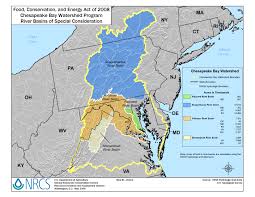 The Bay, as we call it here in the Mid-Atlantic States, is a major destination for boating, fishing, and a wide array of water sports. It was once one of the most prolific estuaries in the world and produced large numbers of oysters, clams, shad, striped bass, and blue crabs. In fact, back around 1900 more oyster meat was consumed per capita in Baltimore than beef. But over the years the human population has grown dramatically, and we have over-fished and over-dumped our wastes into this extensive but now endangered wonder.
I grew up on these waters and want to do what I can to restore them. I have learned that the biggest challenge today is the runoff of silt, nitrogen, and phosphorus from our backyards, our farms, and our development sites. (more…)

Where I went this summer – A guest post by Tim Bechtel
In addition to the need for all of us to take an interest in restoring our favorite places, it will be increasingly important for good science to be done to understand these natural system so we know what to do. Here is a good example of scientists and students studying an area in order to recommend to citizens and governments alike on what we can do to help restore the area’s groundwater.
The Gottesacker (God’s Acre) Plateau on the border of Austria and Germany
by Tim Bechtel, Prof. of Geoscience at Franklin & Marshall College
 The Gottesacker (God’s Acre) Plateau on the border of Austria and Germany is a very high alpine karst (limestone) terrane. It receives abundant rainfall, but is a rocky desert because the water soaks right in and flows underground in a system of caves and conduits, to emerge in large springs in the Kleinwalsertal valley below. Because the water soaks in and flows to the springs very rapidly there is little opportunity for the (more…)

Could Your Water Supply Be Cut off?
 The loss of our water supply is not just a risk in dry areas where there is a very limited supply of water and water must be rationed during droughts (e.g., in California today). Losing access to potable water can happen anywhere. Last winter 300,000 residents of Charleston, West Virginia were told not to drink or bathe in their water. This past summer 400,000 Toledo, OH residents were told the same thing about their water coming from Lake Erie (http://www.weather.com/health/what-you-need-know-about-microcystin-toledos-water-toxin-20140804). The irony of course is that there was plenty of water in these moist areas of the country. Water quantity is not the problem in the East. Water quality is.
The WV problem was the result of a 5000 gallon chemical spill (more…)

The National Trail System
(Excerpt from Saving the Places We Love)
 Can you imagine exploring a mountainous region without a good trail system? it would take far longer to find your way through the mountains or to find the tallest peak. You might even wander around lost for weeks trying to find your way in and out. Fortunately, today there is a great system of trails throughout the country and, in many cases, good apps for finding your way.
For the most part, these trails are well marked and maintained largely by volunteers. For example, the 2,175-mile Appalachian Trail is maintained by 6,000 volunteers in small clubs all along the way from Georgia to Maine (http://www.appalachiantrail.org/). This is true for many of the trails that crisscross our country. Thanks to all of you who help maintain these trails. (more…)
Saving Lake Elkhorn – A guest post by Elaine Pardoe
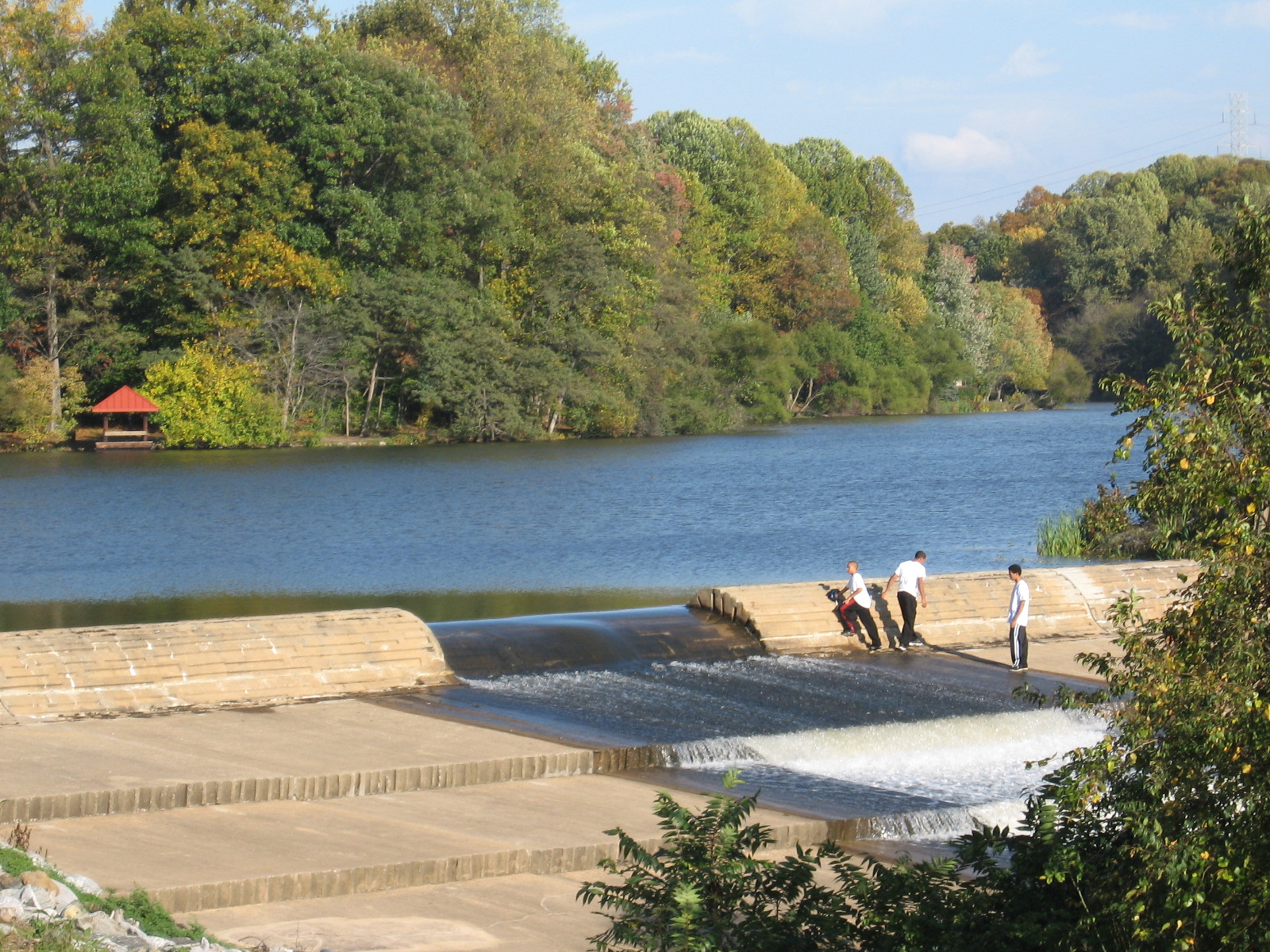 Columbia, Maryland – My favorite place is the lake that greets my eyes every morning as I get out of bed. Yes, I am lucky enough to live on Lake Elkhorn in Columbia, Maryland.
Eight years ago I got tired of seeing the lake path mowed while little else was done to restore and protect the lake itself. Over the years it had silted in and was clogged with grasses fed from the fertilizer washing off our lawns. On walks around the lake I found that other people shared my concern, so one evening eight people gathered around our dining room table and formed a group we called CLEER, the Committee for Lake Elkhorn’s Environmental Restoration. (more…)

Where Did You Go This Summer?
 I spent a few days on Point Reyes and the Inverness Peninsula in California this summer. We hiked over 20 miles up and over this large piece of granite that is sliding out to sea along the San Andreas Fault. We enjoyed walking and swimming in the Pacific – brief dips in the cold water – and were also refreshed by the cool winds and mists. It is a beautiful coastline.
At one of the trailheads, I was surprised to read a warning about potentially hazardous debris from the 2011 Japanese tsunami. In my new book I have written about the trash accumulations in the oceanic gyres but had not seen prior examples of trash traveling 8000 miles from Japan all the way to North America. My interest was piqued. (more…)
Launching a Campaign to Save the Places We Love
 In conjunction with the release of my new book, Saving the Place We Love, I am very pleased and excited about launching a brand new campaign to help all of us learn how to save the places we care deeply about. This is important because none of us have the bandwidth to save the whole planet, but each of us has our own favorite places – rivers, beaches, lakes, and mountains – and they all need our help. So, please, help build this community by offering your stories, tools, and contacts so each of us can take action to save our corners of the world.
This blog will be a key element in the campaign. Through it, we will tell the stories of the challenges to the places we visit and the actions people are taking to save them. The new book is also a great primer on what you can do. There are examples from all across the country on how some of our favorite places were saved and the ongoing challenges they face as our population grows.
So send in your stories. For example, where did you go this summer? Who in the past worked hard to create and maintain your special places? What can you do to ensure their existence in the future for you and your children to visit? Also tell us how we can help you restore and maintain your special spot. We need to help each other.
 Each guest post should not be more than 300 words. Describe why the place is special. Then share the threats it faces and what you are trying to do to preserve it. Please include a photo of the place.
It would also help build this community if you offered suggestions on other posts. We need your ideas. Let’s form a community of people who can help one another restore our planet.
This website also offers other resources. Feel free to add content to share with others. Check out our Pinterest and Twitter feeds. The more we connect, the greater the impact. Thank you for caring and thank you for all you do to save the wonders of our planet for future generations.
 Saving The Places