Skating on the Chesapeake Bay
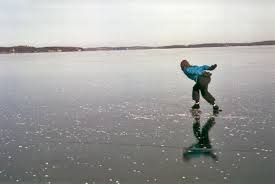 The cold snap we are having reminded me of skating on the Bay back in 1962. Here is an excerpt from The Chesapeake Watershed that describes that scary but thrilling experience.
My friend Greg, who lived on the Bay near the mouth of Bush River, led the way down to his pier. We were in a cold snap and it was indeed very, very cold. The temperatures had been hovering around zero for the past week. The ground crunched as we walked, and within minutes my nose and fingers grew numb. I glanced at the bay and as far as I could see there was ice, quite rough along the shore, but it did look like we could skate farther out. Momentarily forgetting that it was saltwater, I convinced myself (more…)
How Do Communities Benefit from a Local Food Movement?
 What do you do when suburbanites realize that the farms they have been displacing can provide them with fresh and nutritious food if there was a financial incentive for them to stop growing corn and meet the growing demand for local vegetables, fruit, and meat? You bring the players together.
Over the past year a Food Council has been meeting here in Howard County to determine (more…)
Rescuing Sea Turtles – A guest post by Susan Branting
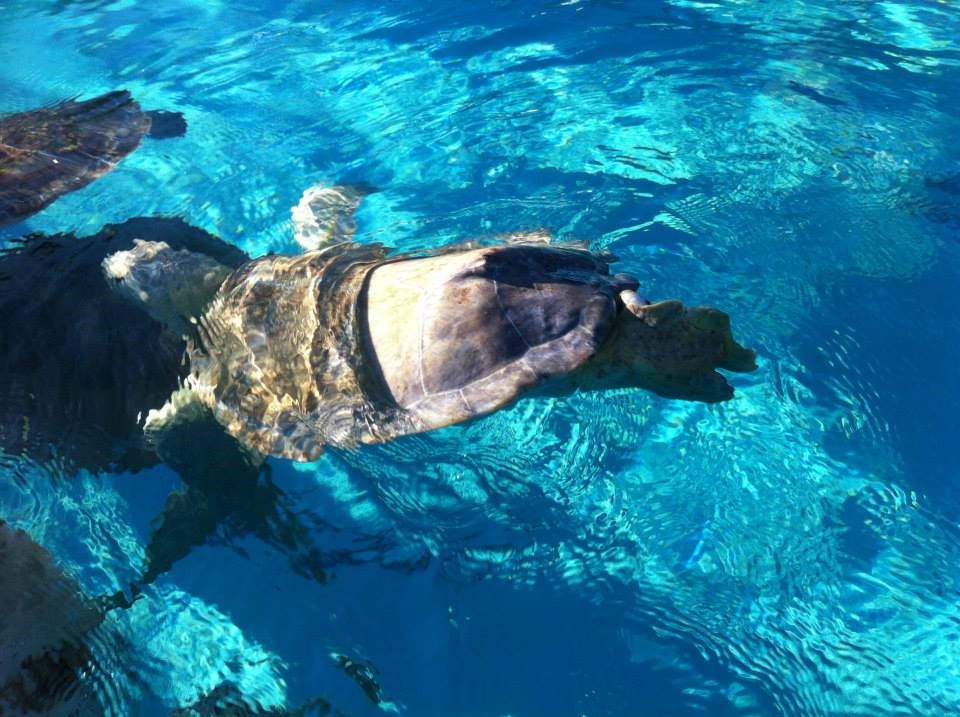 You’re probably familiar with the danger humans pose to sea turtles—from plastic waste and fishing lines to damage from boat propellers—but have you heard of “bubble butt”?
If you take the fascinating 90-minute tour of the Turtle Hospital in the Florida Keys, you’ll not only learn about this human-created problem, you’ll meet (more…)
Get Outside, America! Give yourself a gift
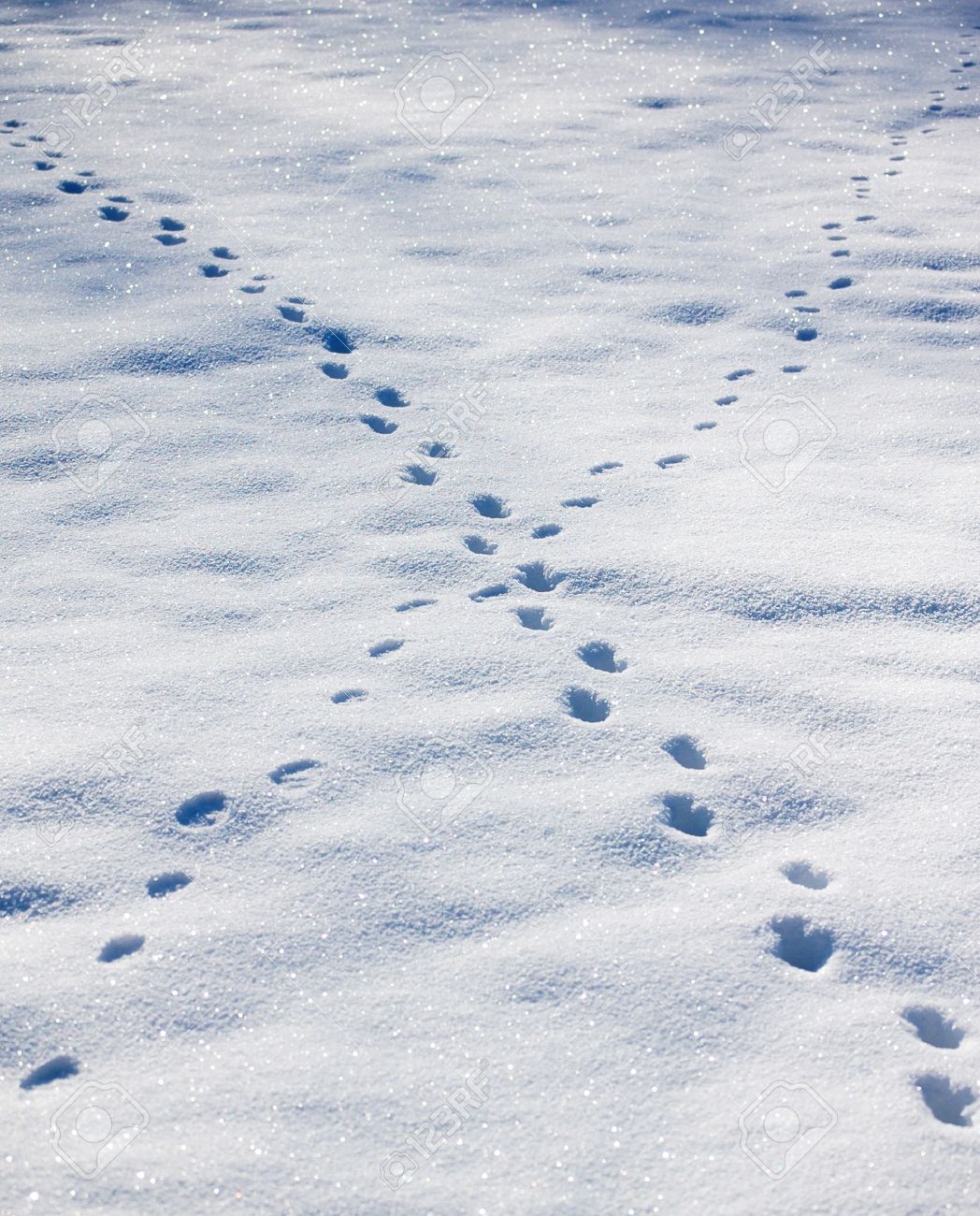 It is not quite a January thaw, but it is one of those sky-blue days between snowfalls. The sun beats down on my back as I walk around the lake. The birds are up and about bringing life to the silent stage laid down by yesterday’s gentle snow. I had to get out of the house, so here I am – bundled up and ready to explore some of my favorite places in the middle of winter.
Half way through my walk, I realized how badly I needed this escape. I have been suffering the January blues. Maybe even a bit of seasonal affective disorder. Who knows? But the sun dragged me out of the house and what a difference that has made.
The lake is frozen and covered with (more…)
Empowering People to Save Their Places – A guest post by Tracey Manning
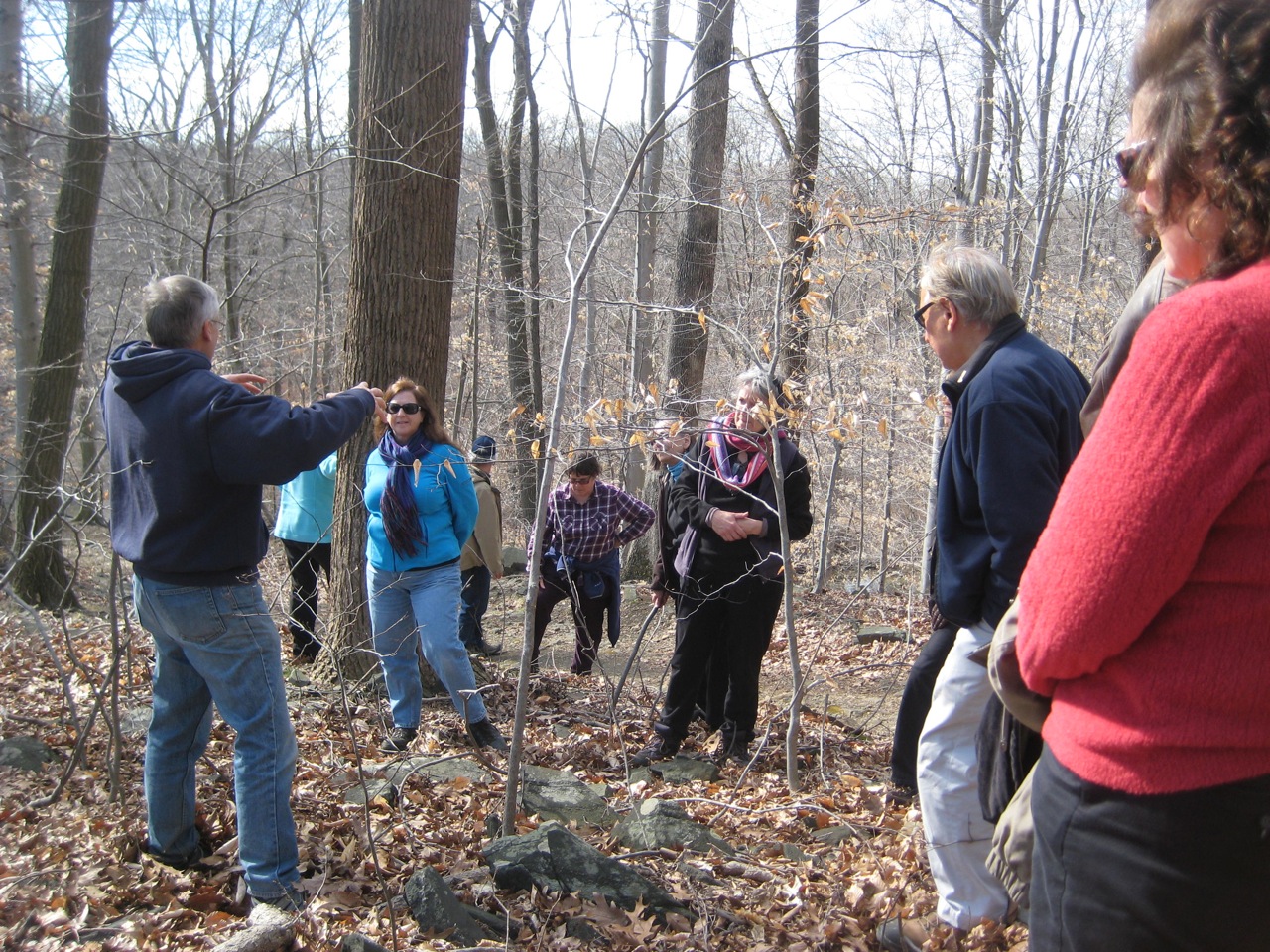 When I was growing up in Albany, NY, the undeveloped “lot” down the street was a magical place to neighborhood children. Its trees and bushes, paths and rocks provided the backdrop for endless games of knights and ladies, cowboys and Indians, hide and seek, and much more. (Revisiting it as an adult, I was amazed to discover that our playground occupied less than half an acre, or two house lots.)
Many, if not most, adults have such memories of special places and want (more…)
How Do We Reach the Other 99 Percent?
 It may be an exaggeration to say that only 1 percent of our population is actively involved in efforts to clean up the Chesapeake Bay—perhaps it only seems that way. Nonetheless, it should be clear that there remains a whole lot more to do, and more people need to lend a hand. This will be even truer when government budgets are cut as fiscal conservatives take the reins in many areas.
I have spent the last 10 years trying to (more…)
Lessons from a City Park – a guest post by Julie Dunlap
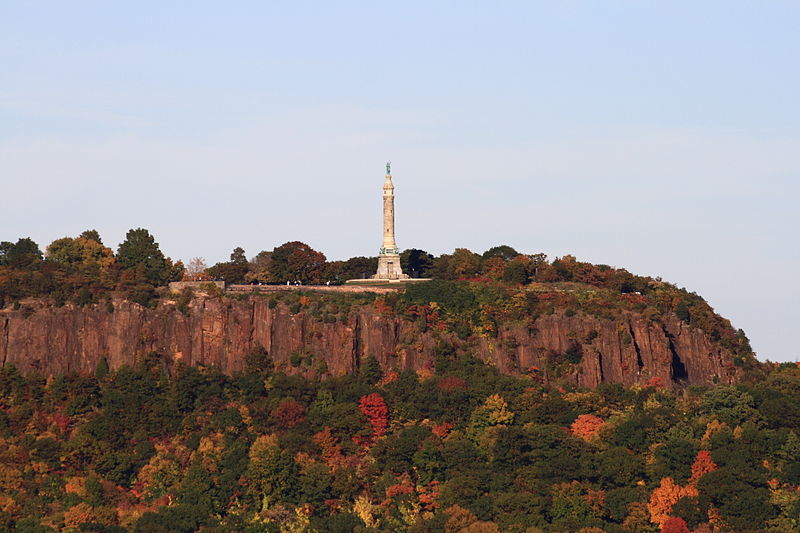 Most people ascend East Rock for the views. Atop the 366-foot basalt cliff, they can admire office towers, steeples, neighborhoods, and harbor views of New Haven, Connecticut, and, on a clear day, glimpse Long Island Sound. But for me, climbing the stony Giant Steps Trail recalls my first heady night in graduate school, when new friends suggested a moonlit hike in a city park. That dark scramble, more than the starry summit vista, filled me with wonder and freedom as only an outdoor adventure can do.
The 427-acre East Rock Park originated as a naturalistic landscape in 1884, designed by Donald Grant Mitchell as a respite from (more…)
Saving Olmsted’s Vision for Baltimore – Guest post by Joe Stewart
 Below is a statement sent to the Baltimore City Commission for Historical & Architectural Protection in support of a bill to add Olmsted Parkways to the Baltimore City Landmark List. Please consider sending your own support letter to: Baltimore City Commission for Historical & Architectural Preservation Department of Planning Attention CHAP Director Eric Holcomb, 417 East Fayette Street, 8th floor, Baltimore, MD 21202, eric.holcomb@baltimorecity.gov
The Friends of Maryland Olmsted Parks & Landscapes offers the following brief description of the historic role the Olmsted family played in Baltimore and around the country:
“America’s first landscape architect, Frederick Law Olmsted (1822-1903) believed that parks and landscapes were an essential part of democratic society. His designs created some of the most (more…)
Saving Nature in Urban Areas – guest post by Karin DeLaitsch
 I’m always interested in seeking new places to visit. For me, new surroundings stimulate new ideas to bring home. This year’s travels were no exception. Each contained a populated urban area with a distinctly different approach to connecting people with nature and that got me thinking…
My winter get-away led me to the southwestern region of the US where it’s a short drive to escape the populous Phoenix metro area and relax in the vast expanse of the Sonoran desert. Whether hiking or biking, one can still find solitude to quietly observe a large variety of flora and fauna in an undisturbed setting. A fantastic means to let nature stimulate a personal sense of well-being.
In spring, I ventured to Spain’s Andalusia region to breathe in the temperate Mediterranean climate. I immediately fell in love with the relaxing, social atmosphere created by neighborhood plazas where residents on foot gathered daily (and I mean, daily) to converse among immaculate gardens and fountains surrounded by trees. Cities like Seville have created a wonderful way to weave human-nature connectivity into an urban way of life. (more…)
A Piedmont Christmas Tree Farm
 I grew up on 110 acres in Harford County, Maryland. In the 1960s, forty acres of our farm was taken by eminent domain for the construction of Interstate I-95. We were devastated by that event. (More on that part of the story can be found in the prologue of the book Saving the Places We Love).
To block out the sight and the sound of the highway, we planted 30,000 evergreen trees – a very slow-growing sound barrier. Six years later, (more…)
Now Available



 Saving The Places