When Parking Lots Help To Restore Our World
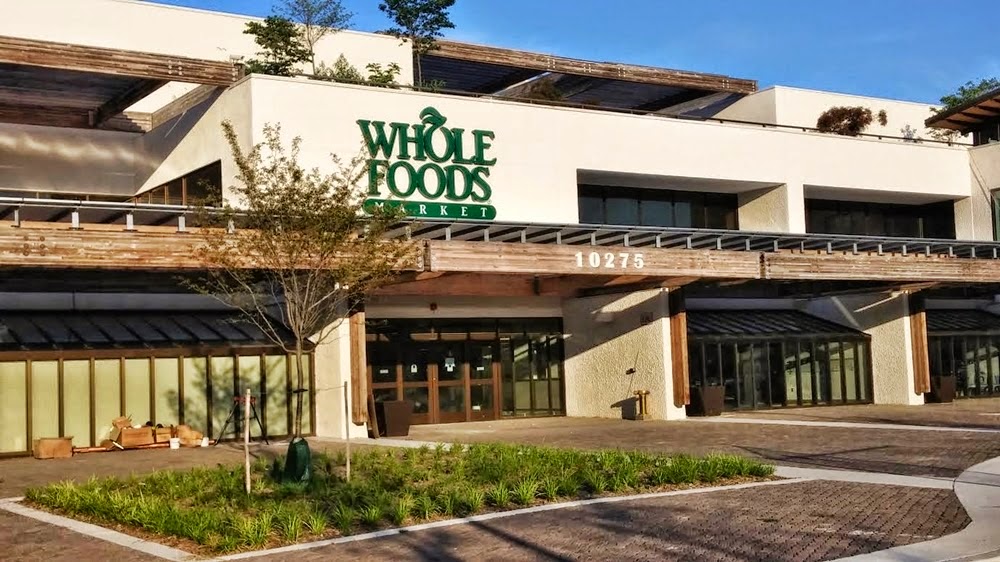 When you go shopping next, check out the parking lots. How are they designed? Do they just flush all the rainfall right into a storm drain which then empties directly into a stream or lake? Or do they capture the water and allow it to filter back into the ground to recharge the groundwater table and restore our streams?
I recently visited (more…)
Defeating the Frederick Incinerator – Guest post by Don West
![incinerator2large[1]](https://savingtheplaces.com/wp-content/uploads/2014/11/incinerator2large1.jpg) The (Frederick) Board of County Commissioners struck down plans Thursday for a regional waste-to-energy incinerator … by canceling the contract and related permits.“ Frederick News Post Friday, November 21, 2014
The (Frederick) Board of County Commissioners struck down plans Thursday for a regional waste-to-energy incinerator … by canceling the contract and related permits.“ Frederick News Post Friday, November 21, 2014
How on earth did we get to this point, when as recently as April 2014, both Carroll and Frederick Counties were under contract to build this 1500 ton per day incinerator and all the necessary permits had been issued?
Many people worked (more…)

Major Issues
 A comment I am hearing more and more often is how do I choose the most important issue to focus on. There are so many issues, most of us get overloaded and sometimes we become less effective. To help you through this process, I have listed some of these issues here and have pointed you toward ways to help address the ones that resonate with you the most. You don’t have to support them all, but (more…)
A Puerto Rican Coral Island – guest post by Lori Lilly
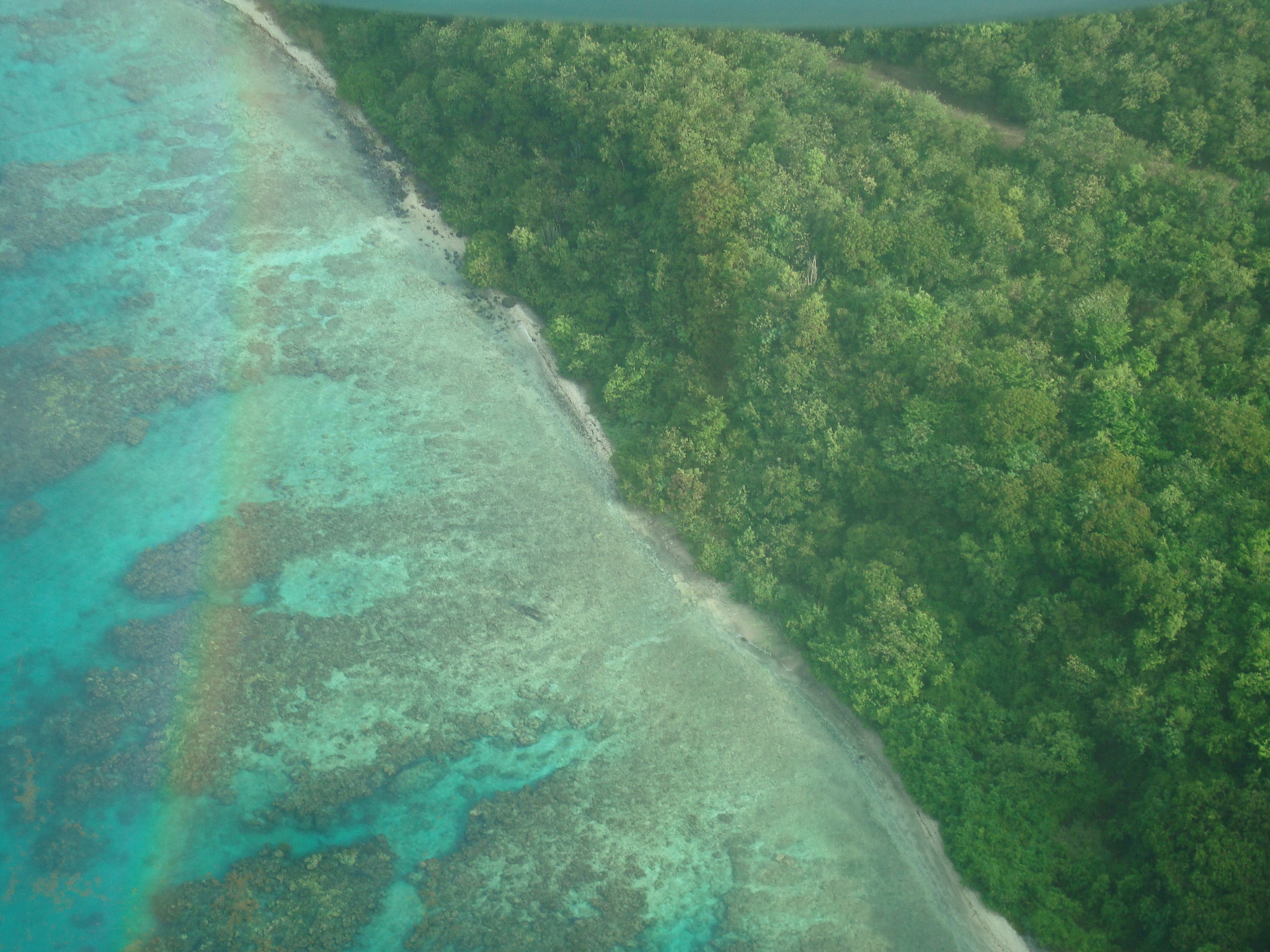 Culebra is an 11.6 square mile island located off of the northeast coast of Puerto Rico. It is home to 1,900 residents, beautiful coral reefs and a robust tourist economy. It is a somewhat harrowing yet stunning plane ride from the main island to this priority coral reef protection area. My first visit to Culebra was with my family in 2013 where we had a great time touring the island in our Jerry’s Jeep (“It’s not a heap, it’s a Jerry’s Jeep!”) and snorkeling off of the white sand beaches. We collectively, quite simply, fell in love with Culebra.
My second trip to Culebra in 2014 was entirely different. I was contracted by (more…)
Threats to the Blue Ridge Mountains – guest post by Mark Southerland
 Eight acres on the south side of Sugar Mountain in western North Carolina, remain in my family from the first permanent Scotch-Irish (and Welsh) settlement of the mountain by my ancestor Martin Banner and his brothers in 1848. Our family, as well as our adjacent relatives, retain most of the land in its natural state of forest and streams. As a result the biodiversity of the land remains such that 13 species of salamander can be found on it, enough for me to complete a doctoral dissertation on their communities. (Photo of salamander on tree -Plethodon jordani). This homestead remains our connection to the natural and cultural history of one of the most beautiful regions in the United States, the southern Blue Ridge mountains.
The forces threatening this and other southern Appalachian ecosystems include (more…)
A Call to Action – Some easy first steps
 I am regularly asked about concrete steps that we can all take to help save the places we love. I have offered strategies for a specific campaign in one of the early blog posts. But there are things we can all do that will help each of our favorite places, the whole country, and planet. Here are a few of the steps to take. If we all did them it would make a difference. So let’s start in our backyards and then make the effort to encourage others to take these steps as well. (more…)
Sounds of our Special Places – guest post by Kathy Bell Tillman
![artmax_1294[1]](https://savingtheplaces.com/wp-content/uploads/2014/09/artmax_12941.jpg) Recently, The Sun magazine had an interview with Bernie Krause, who has spent years recording the collective sounds of nonhuman living things (called biophony) and nonbiological natural sounds of the earth processes such as waterfalls and cracking ice (called geophony) in places all around the world. Krause challenges us to be present in nature by actively listening to the sounds around us as we venture out in the natural world.
Recently, The Sun magazine had an interview with Bernie Krause, who has spent years recording the collective sounds of nonhuman living things (called biophony) and nonbiological natural sounds of the earth processes such as waterfalls and cracking ice (called geophony) in places all around the world. Krause challenges us to be present in nature by actively listening to the sounds around us as we venture out in the natural world.
I live near Lake Elkhorn in Columbia, Maryland, and I take daily walks around the lake. Since reading the Krause interview, I have been (more…)
Why Should We Save The Bay?
 I spent a day this week with three other men and a waterman, Capt. John Van Alstine, out on his Hooper’s Island style workboat tonging for oysters and trotlining for crabs. Even though the crabs and oyster were not abundant, it was a great way to spend a day out of the office.
Halfway through the day, one of my landlubber colleagues, Mark, asked me, “Why do we continue to spend so much money on trying to save the Chesapeake Bay? Isn’t its decline just a natural result of population growth and progress?” (more…)
Managing our Backyards – A guest post by Ann Coren
 Lifting off for my vacation I flew over the Chesapeake Bay. We’d had another rainstorm. The brown sediment washing into the Bay, covering marshes and oyster beds, was obvious from the air. The satellite views that NASA has been showing us, I now saw for myself. Since the 1970’s, suburbanization with its impervious roofs, driveways, and lawns has significantly contributed to the dying of our beloved Bay. As my plane landed in Miami for my transfer flight I saw the same thing, miles of high-rise hotels and brown sediment stretching into the ocean. People were swimming, oblivious to the habitat degradation caused by the impervious surfaces of the hotels and roads because they had never seen it when it was pristine, clear, and full of life.
My second flight, south from Miami, flew over (more…)
Now Available



 Saving The Places